
Window Replacement Cost NZ – 2026 Auckland Guide
Last updated:
Quick answer: Window replacement in Auckland typically costs $400–$800 per square metre for retrofit double glazing, $2,000–$2,500 per unit for insert windows, or $2,400–$3,500 per unit for full joinery replacement — with most Auckland homeowners paying $1,500–$3,500 for a single window swap, and $25,000–$45,000 for a full house re-joinery once the gib repair, painting and architrave work are included.
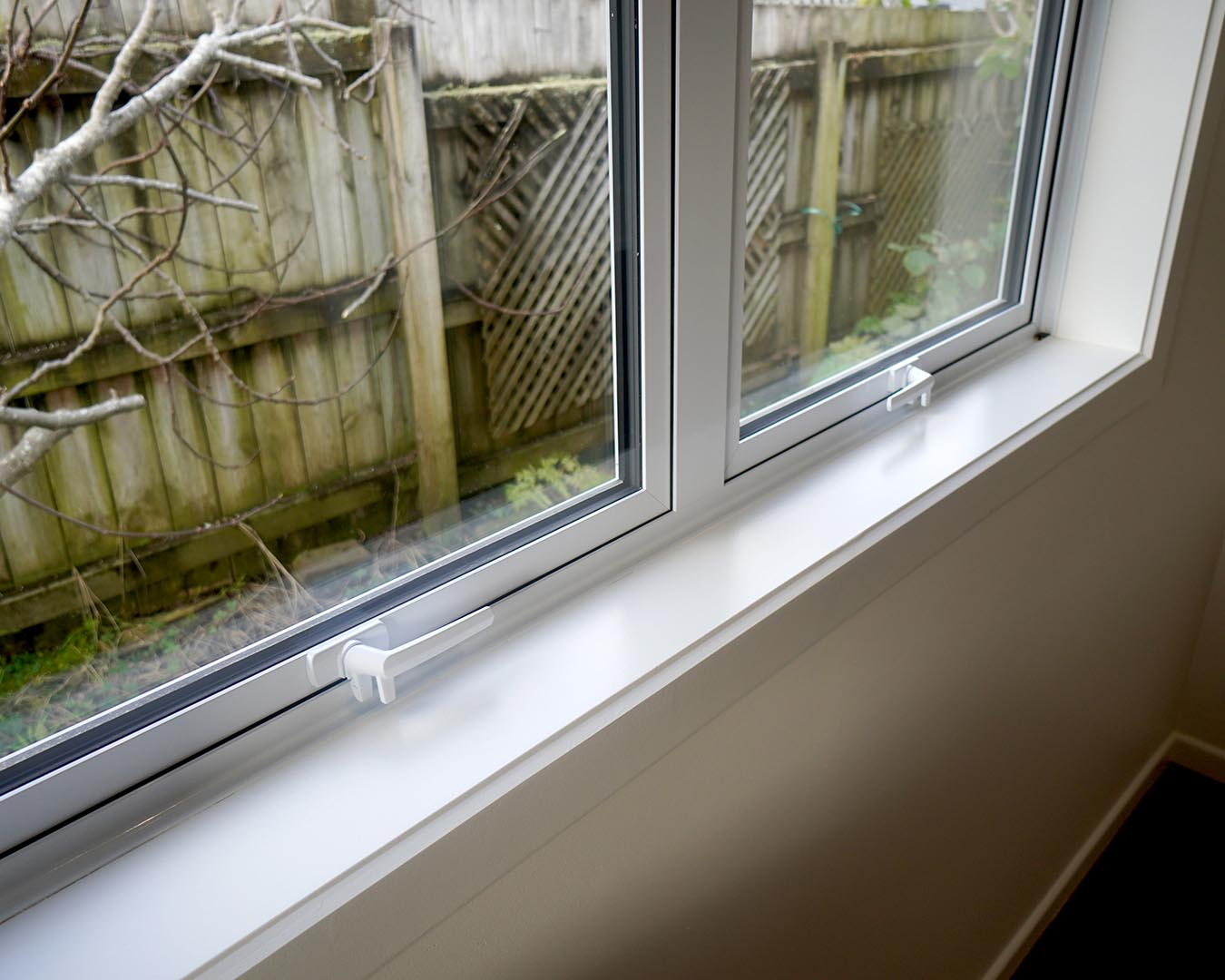
You notice it on a cold morning. Condensation on the inside of the glass. Or the bottom of the timber sash is soft when you push it. Or one of the panes has fogged up between the layers — that telltale grey haze that means the seal has gone. Suddenly you’re trying to work out whether you’re looking at a $400 fix or a $40,000 job.
The honest answer is — it depends on more variables than most homeowners realise. Window work in Auckland splits into four different methods, three different materials, and a layer of post-installation work that most installer quotes don’t include. A $18,000 quote and a $26,000 quote often aren’t pricing the same job. One’s supply-and-install only. The other includes the gib repair, painting and architrave work to make the new windows actually look finished.
This guide breaks the numbers down properly. We handle the full window job across Auckland — we’re not selling you a specific brand of joinery, we’re the company that pulls in the joiner, the builder, the painter and the gib stopper to get the job finished. So the costs you’ll see here are the all-in costs, not just the bit installers quote.
You’ll find: what the four replacement methods actually cost, how aluminium, uPVC and timber compare, what separates a good double-glazed unit from a cheap one, the hidden costs installer quotes leave out, what window repairs cost, what the Building Act actually exempts, and a repair-first decision framework. Sometimes the right answer is to fix the existing window, not replace it.
The Four Window Replacement Methods (And What Each One Actually Costs)
Free cost calculator
How much will your project cost?
Get an instant Auckland price range for your project — no details required to see it.
Before you compare quotes, you need to know which method each quote is pricing. The four options aren’t interchangeable. Each one has different cost, different disruption, different outcomes — and only some of them are right for your house.
1. Glass-only replacement: $150–$1,200 per pane
The cheapest path. You keep the existing frame and replace only the glass. Single-pane glass replacement runs $150–$400 for smaller windows, and $400–$800 for larger windows including labour and call-out. Replacing a fogged double-glazed insulated glass unit (where the seal has failed and condensation is sitting between the panes) is typically $300–$700 per unit, sometimes up to $1,200 for oversized panels.
This makes sense when: the frame is sound, the glass is broken or the IGU has failed, or you’ve had a single-pane break from impact or storm damage. It doesn’t make sense if the frame itself is rotten, the seals around the frame are gone, or you want better thermal performance — replacing just the glass in a single-pane window with new single-pane glass gives you zero improvement.
2. Retrofit double glazing: $400–$800 per m²
The Auckland character-home favourite. Retrofit double glazing means routing out the existing timber or aluminium frame, removing the old single-pane glass, and slotting a sealed double-glazed insulated glass unit into the same frame. The joinery stays. The glass and the glazing strip get replaced.
Cost runs $400–$800 per square metre installed, which works out to roughly $400–$700 per standard bedroom window or $800–$1,500 for larger living-room glazing. A full house retrofit on 12–15 windows in a Mt Eden bungalow or Devonport villa typically comes in at $8,000–$15,000 — significantly cheaper than full joinery replacement.
This is the right answer when the existing timber joinery is in good nick and worth keeping (most character homes), when you don’t want to lose the period look of the original sashes, and when you want better thermal performance without the cost or disruption of pulling the whole frame out. It’s not the right answer when the frame itself is rotting or has warped — in that case you’re throwing good money after bad.
3. Insert windows (retro-fit replacement): $2,000–$2,500 per unit
A middle option that sits between retrofit double glazing and full replacement. The existing frame stays in place, but you slide a complete new aluminium or uPVC window unit (frame and glass together) inside the existing opening. The new unit is slightly smaller than the original opening (you lose about 25–40mm of glass area on each side), but the cladding and interior trim around the window stay untouched.
Insert windows cost $2,000–$2,500 per unit installed and are common when the original aluminium joinery is at end-of-life but the surrounding cladding and gib work is fine. You get a brand-new sealed double-glazed unit without the disruption of removing all the trim.
The trade-off is the slightly reduced glass area and the fact that you’re working within the original opening size — if the original window was small and dim, your new window is going to be marginally smaller and dimmer.
4. Full joinery replacement: $2,400–$3,500 per unit
The most disruptive and most expensive option, and the most common when you’re doing serious work. The entire window (frame, glass, trim) comes out. A brand-new unit goes in. The opening size can change. The interior architrave gets replaced. The exterior cladding around the window needs to be repaired and matched.
Full joinery replacement runs $2,400–$3,500 per unit for standard sizes, with larger windows and sliding doors (ranchsliders) coming in at $4,500–$7,000 depending on size and material. A full house re-joinery in Auckland (typically 12–18 openings) works out to $25,000–$45,000 once the cladding repair, painting and gib work are included.
This is the right choice when the existing joinery is past saving (rotten timber, warped aluminium, failed seals across the whole house), when you want to change the window configuration (turn a small high window into a large picture window, or change opening direction), or when you’re doing a major renovation and the walls are already opening up.
| Method | Cost Range | Best When |
|---|---|---|
| Glass-only replacement | $150–$1,200 per pane | Broken pane, failed IGU, sound frame |
| Retrofit double glazing | $400–$800/m² | Character home, sound timber frames |
| Insert windows | $2,000–$2,500 per unit | Old aluminium joinery, intact cladding |
| Full joinery replacement | $2,400–$3,500 per unit | Joinery past saving, configuration change, full renovation |
💡 Property tip: Don’t ask installers what a window replacement costs — ask them which method they’re quoting. A $20,000 quote for retrofit double glazing and a $20,000 quote for full joinery replacement are pricing completely different jobs. The cheaper-looking quote might be the worse value if it doesn’t include the work your house actually needs.
Window Material Costs — Aluminium, uPVC and Timber Compared
Once you’ve decided on a method, the material choice is the next big cost driver. Auckland’s three options are aluminium (the workhorse), uPVC (the thermal performer) and timber (the character home staple). Each has a real place, and each has a price point that reflects what it gives you. For a deeper side-by-side, see our guide on aluminium vs uPVC vs timber windows in NZ.
Aluminium double-glazed: $800–$1,500 per m²
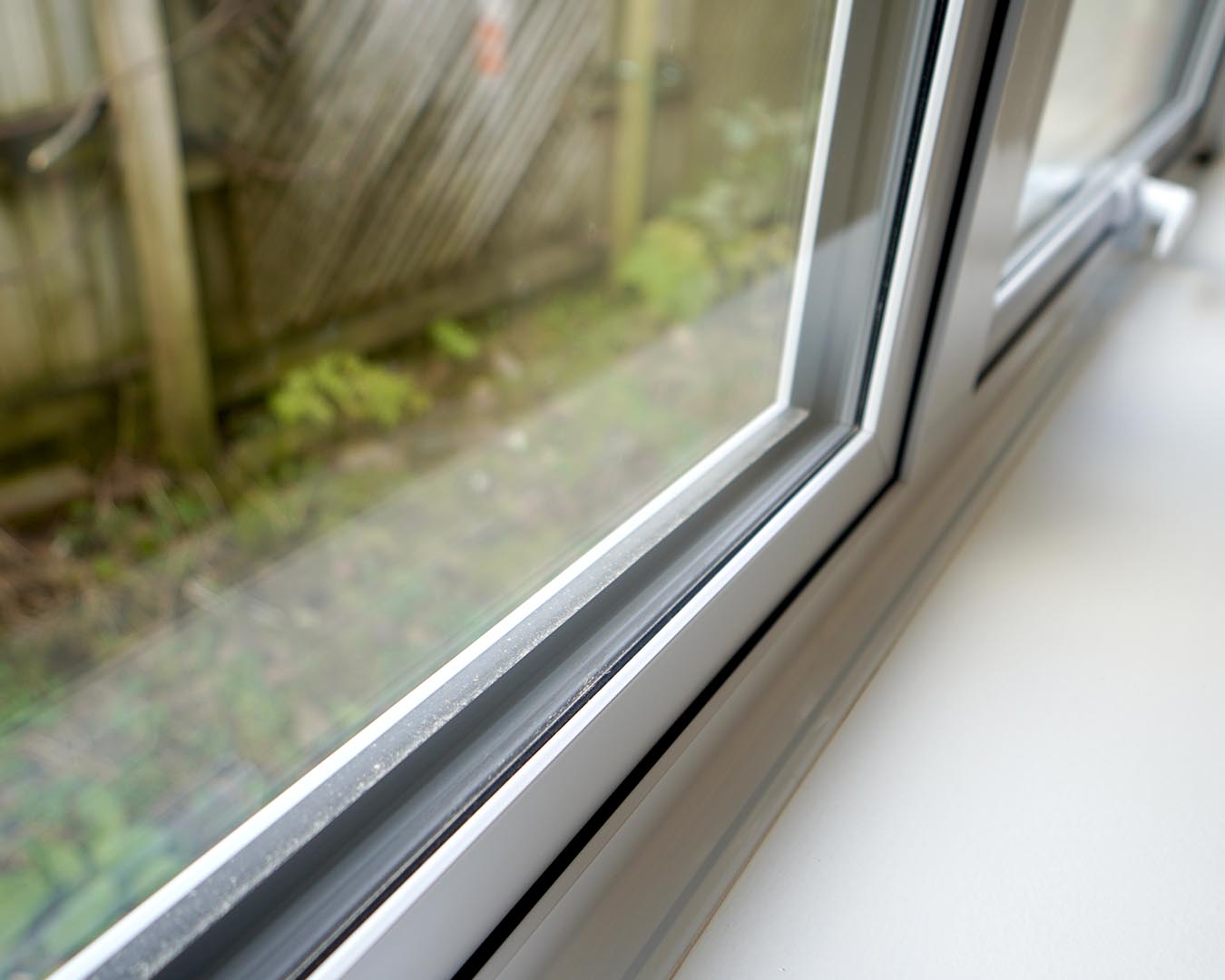
The default choice in modern New Zealand homes for good reason. Aluminium joinery is durable, low-maintenance, holds up well in Auckland’s salt-coastal climate, and has the slimmest sightlines of any frame material. Most aluminium joinery is built locally (by manufacturers like Fairview, FirstWindows, APL, Nulook and Vantage), which keeps lead times reasonable.
Standard double-glazed aluminium joinery runs $800–$1,500 per square metre installed. Thermally broken aluminium (with a polyamide barrier between the inside and outside of the frame, which dramatically improves thermal performance) sits at the top of the range ($1,200–$1,800/m²) and is the closest aluminium gets to uPVC’s insulation performance.
Aluminium is the right call for: modern subdivisions, coastal suburbs like Mission Bay, St Heliers and Takapuna where saltwater corrosion is a factor, anywhere you want slim sightlines and large glass areas, and any rental or investment property where low maintenance matters.
uPVC double-glazed: $900–$1,600 per m²
The thermal performance leader. uPVC (unplasticised polyvinyl chloride) frames don’t conduct heat the way aluminium does. EECA’s window guidance notes that uPVC and timber frames lose less heat than aluminium and are less likely to attract condensation, which is exactly where you notice the difference on a cold Auckland morning.
uPVC double-glazed windows cost $900–$1,600 per square metre installed in Auckland, with most jobs landing closer to the $1,200/m² mark. Lead times can run longer than for aluminium, so get the delivery date in writing before you book the trades around it.
uPVC sightlines are chunkier than aluminium (the frame profile is wider), which some people don’t love aesthetically. But for cold homes, condensation problems, or anywhere thermal performance is the priority, uPVC outperforms standard aluminium by a noticeable margin.
Timber double-glazed: $1,200–$2,200 per m²
The character-home choice. Timber joinery (usually cedar, accoya or sustainably-grown pine) sits at the top of the cost range, but it’s the only material that genuinely matches the look of an Auckland villa, bungalow, or pre-1950s character home. Modern timber joinery can be specified with double glazing built in, so you don’t lose thermal performance.
Timber double-glazed joinery runs $1,200–$2,200 per square metre installed. Cedar is on the lower end of that range; accoya and high-spec hardwoods land at the upper end. Timber needs regular repainting, more often on west-facing or coastal walls, so budget for it as an ongoing cost. A full exterior repaint is a job for our sister company Superior Painters.
Timber is the right choice for: character home suburbs (Mt Eden, Ponsonby, Grey Lynn, Devonport, Herne Bay), heritage-protected properties where aluminium isn’t permitted, and anywhere the visual character of the house matters more than the maintenance schedule.
Which Material Suits Which House
The right material isn’t just about cost. It depends on what the house is and where it sits.
Villas and bungalows with original timber sashes. Aluminium looks wrong on them, and if the property is in a Special Character Area the planning rules (covered below) push you towards keeping or matching the timber anyway. Retrofit double glazing or new timber joinery in the original profile is the usual answer.
Exposed coastal sites. Salt spray is hard on everything. Ask the joinery maker what coating and hardware spec they recommend for a sea-facing wall, and get it written into the quote. Timber on a coastal site needs real maintenance discipline.
1990s and 2000s homes with original aluminium joinery. Insert windows or full aluminium replacement is the standard upgrade path once the seals start going. uPVC works here too, particularly if winter cold or condensation is the complaint.
What Separates a Good Double-Glazed Unit From a Cheap One
“Double glazed” is not one performance level, and it’s the main reason two quotes for the same windows can sit thousands apart. EECA puts the stakes plainly: up to 40% of a home’s heating energy can be lost through the windows, and double glazing can cut that to 25% or less. How close a unit gets depends on a handful of specification choices you can check on any quote.
| Feature | What EECA says | What to ask the installer |
|---|---|---|
| Gas fill | Argon between the panes can reduce window heat loss by 5–20% compared with air | Is the unit argon-filled, or air? |
| Low-E coating | Can reduce heat loss by up to 30% compared with regular glazing | Is low-E glass included, or an extra? |
| Spacers | Plastic or stainless steel spacers insulate better than aluminium | What is the spacer bar made of? |
| Gap size | Gaps of 12mm to 16mm give the best insulation performance | What is the cavity width? |
| Frame | uPVC and timber frames lose less heat and attract less condensation than aluminium | If aluminium, is it thermally broken? |
💡 Property tip: Ask every installer to list gas fill, low-E, spacer material and cavity width on the quote itself. A quote that only says “double glazed” can’t be compared with one that specifies all four, and the cheaper unit is often cheaper for a reason.
The Hidden Costs Installer Quotes Don’t Include
This is the section that costs Auckland homeowners the most when they get it wrong. Most installer quotes price the joinery and the install — the bit they actually do. Everything else falls in your lap. And “everything else” can run anywhere from 15% to 40% of the total project cost.
Interior Gib Repair and Reveal Lining
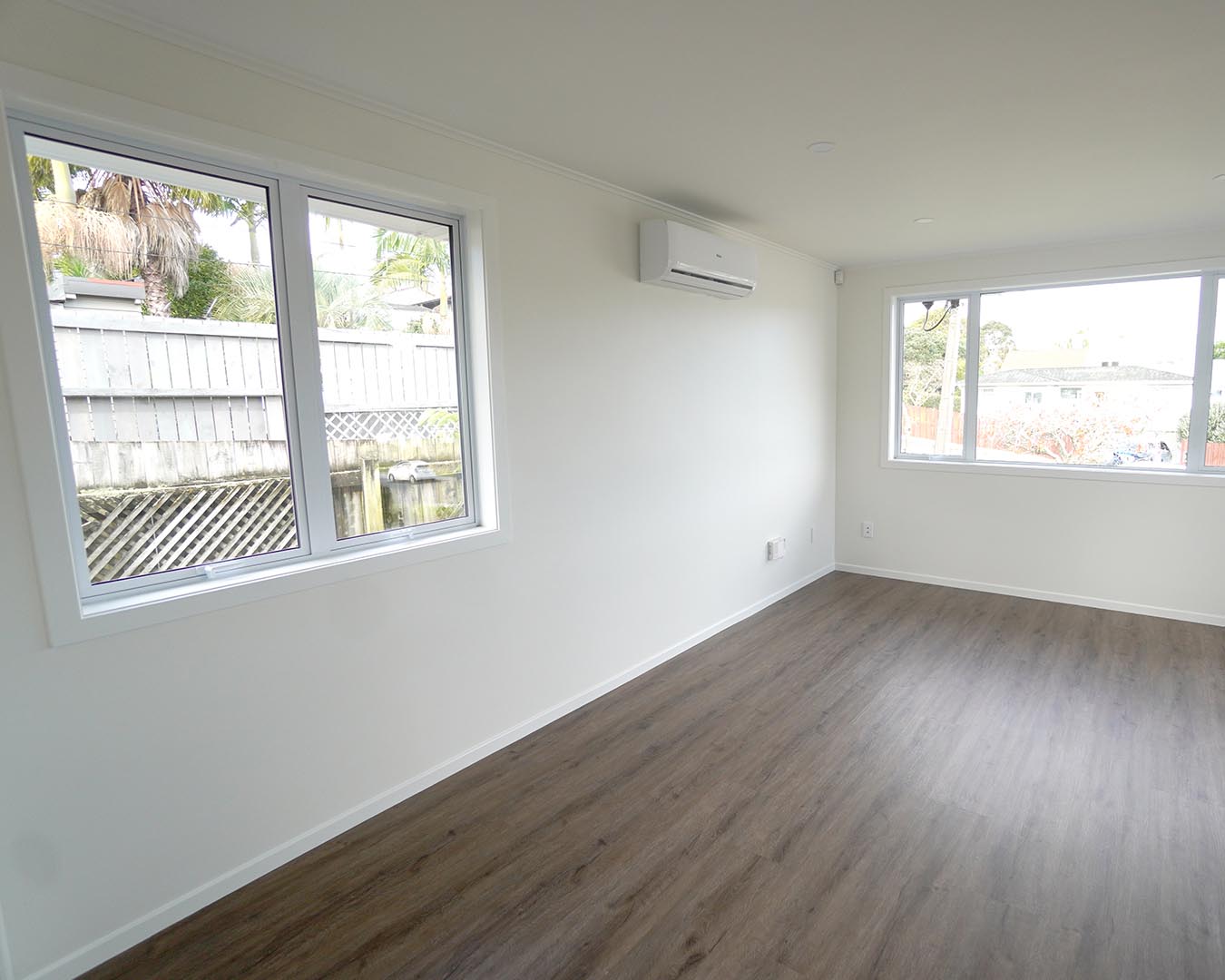
When the old window comes out and the new one goes in, there’s almost always a gap between the new frame and the existing wall opening. The gib lining around the reveal (the inside surface of the window opening) often needs cutting back, patching, or replacing entirely. Budget $200–$600 per window for gib repair and reveal work, more if the existing wall is old plaster rather than gib.
This is the most commonly skipped line item in installer quotes. They’ll install the window beautifully — then leave you with a 15mm strip of bare timber and exposed wall edge around every opening.
Architrave and Trim Replacement
The old architrave usually comes off when the window comes out, and it rarely goes back on intact. New architrave needs to be cut, fitted, mitred, nailed, filled and sanded. If you’re working in a character home, matching the original profile is a real job — sometimes it’s a custom milling job to replicate a heritage profile.
Architrave and trim work runs $150–$400 per window depending on profile complexity. Across a 12-window house that’s $1,800–$4,800 — not a rounding error.
Internal Painting
Once the gib’s patched and the architrave’s fitted, none of it is painted. The new architrave is bare. The patched gib is bare. The wall around it has a tide-mark where the old trim used to sit. Painting is the make-or-break step — the difference between a job that looks finished and a job that looks like a builder walked off site.
Internal painting around new windows costs $80–$200 per window for touch-ups, or $300–$800 per window if the whole room needs repainting (which it usually does, because the new walls don’t match the existing paint colour exactly). For a full house re-joinery, internal repainting of all affected rooms typically adds $4,000–$8,000.
Exterior Cladding Repair
The exterior side is the bigger problem. When the old window comes out, the cladding around it gets damaged. Weatherboards get cut. Brick edges chip. Plaster systems crack.
The flashings (the metal strips that direct water away from the window) need replacing. The new joinery needs proper sealing and flashing work to keep water out — this is the highest-stakes part of the job because getting it wrong causes leaks.
Exterior cladding repair runs $400–$1,500 per window depending on cladding type. Weatherboards are at the easier end. Plaster systems (Rockcote, Resene, Insulclad) and brick veneer sit at the upper end. Direct-fix plaster systems are the most expensive because they often need re-rendering of the affected panel.
— Superior Property Services Team
Curtain Rails, Blinds and Window Hardware
Easy to forget until install day. Existing curtain rails almost never line up with the new joinery — different reveal depth, different fixing points, different sightlines. Blinds need re-mounting or replacement entirely. Budget $150–$500 per window for curtain and blind rework, more if you’re upgrading to plantation shutters or motorised blinds while the walls are open.
How much will your project cost?
Instant Auckland price range — no details needed.
Skip Bins and Rubbish Disposal
A full house re-joinery generates a serious amount of waste — old joinery, broken glass, gib offcuts, packaging. A 4m³ skip bin in Auckland runs $350–$500 for a week, and most full window jobs need at least one. Installer quotes often include this; many don’t.
💡 Property tip: When comparing quotes, ask each installer to mark “Y” or “N” against the following — gib repair, architrave, internal paint, exterior cladding repair, flashings, curtain rework, skip bin disposal. The quote with the most Ys is almost always the better value, even if the headline number is higher.
When You Need Council Consent and Other Auckland-Specific Factors
Auckland Council has specific rules about when window replacement triggers a building consent — and getting this wrong can hold up a property sale or cost you in retrospective compliance. Most window replacement work doesn’t need consent. Some absolutely does.
What the Building Act Actually Exempts
Windows have their own exemption in Schedule 1 of the Building Act 2004. Clause 8 exempts building work in connection with a window (including a roof window) or an exterior doorway in an existing dwelling of not more than two storeys, or an existing outbuilding of not more than two storeys. It is wider than a like-for-like rule, but it has two carve-outs that matter in Auckland:
1. A window that failed on durability. In the case of replacement, the exemption does not apply if the window or doorway being replaced has failed to satisfy the Building Code’s durability provisions, and the Act’s own example is a failure to meet the external moisture requirements. A window being replaced because water is getting in around it is precisely that case.
2. Specified systems. The exemption does not apply if the work modifies or affects any specified system.
Clause 1, the general repair-and-replacement exemption, carries the same durability carve-out, so a leaking window cannot be routed through that clause either. Two more points before you rely on any of this. A dwelling of three or more storeys sits outside clause 8 altogether. And section 17 of the Act says all building work must comply with the Building Code whether or not it needs a consent, so “exempt” never means “anything goes”. Whether a particular job, such as widening an opening or working on the lintel above it, falls inside the exemption is a call for a licensed building practitioner or Auckland Council’s building consents team to make before work starts, not after.
Special Character Areas: a Planning Question, Not a Building One
The Building Act exemption above deals with building consent. Character rules sit under a different law, the Resource Management Act, through the Auckland Unitary Plan, and being exempt from one tells you nothing about the other. In the operative plan’s Special Character Areas Overlay (chapter D18), restoration and repair of a building is a permitted activity, while external alterations or additions to a building are a restricted discretionary activity, which means a resource consent.
In practice, repairing original sashes or retrofitting double glazing into them keeps you on the repair side of that line. Swapping timber sashes for aluminium changes the building’s appearance and is likely to be treated as an external alteration, so check with the council before you order joinery. Plan Change 120 proposes changes to these overlay provisions and is still before the Independent Hearings Panel, so look up your property’s current overlay on the council’s maps rather than relying on which suburb you’re in.
This is one of the strongest cases for retrofit double glazing in an Auckland character home: it delivers the thermal upgrade without turning a window job into a planning application.
Original Double Glazing in 1990s and 2000s Homes
The seals on insulated glass units don’t last forever, and when one goes the unit fogs between the panes. In houses where all the units were fitted at the same time, they tend to start failing one after another, and owners end up paying for a call-out, measure and fit on each unit as it goes.
Once several units have fogged, price the remaining ones as a single job alongside the one-at-a-time cost. Measuring, manufacturing and fitting a batch shares the call-out, access and setup across every unit, and that comparison tells you quickly whether to keep swapping reactively or do the lot.
Pre-Sale Window Upgrade Strategy
Selling soon? Window replacement is one of the higher-ROI pre-sale upgrades, but only in specific circumstances. Fogged double-glazed units are easy for a pre-purchase building inspector to spot, and they get noted. Replacing them before listing is usually worth it. Full joinery replacement six months before sale rarely returns the cost — the buyer values it less than you spent.
The honest pre-sale framework: fix anything that will be flagged on a builder’s report (fogged IGUs, broken sashes, damaged glass), skip the cosmetic upgrade (new joinery purely for looks). Run the cost-benefit through a real estate agent who knows your suburb — they’ll tell you whether your specific market values upgraded joinery.
💡 Property tip: Before you accept any quote in a Special Character Area suburb, ask the installer to confirm in writing that the proposed replacement complies with the Auckland Unitary Plan’s character home rules. If they don’t know what those rules are, get a different installer.
Window Repair Costs: What You Can Fix Without Replacing
Plenty of window problems never need a new window. A cracked pane, a fogged unit, a stay that won’t hold the sash open or a catch that won’t lock are repairs, and they’re priced as repairs. The figures below come from the method costs earlier in this guide, set out by the problem you’re actually looking at.
| Problem | Usual fix | Typical cost |
|---|---|---|
| Cracked or broken single pane, small window | Replace the glass, keep the frame | $150–$400 including labour and call-out |
| Cracked or broken single pane, large window | Replace the glass, keep the frame | $400–$800 including labour and call-out |
| Fogging between the panes of a double-glazed unit | Replace the sealed glass unit only | $300–$700, up to $1,200 for oversized units |
| Single glazing in a sound timber frame, cold room | Retrofit a double-glazed unit into the frame | $400–$700 for a standard bedroom window |
| Stays, catches, hinges, handles or rollers | Replace the hardware | Quoted on inspection as labour plus parts |
| Soft or rotten timber in the sash or sill | Cut out and splice, or replace the joinery if widespread | Quoted on inspection; widespread rot points to replacement |
What Moves a Window Repair Quote
Access. A ground-floor bedroom window is a quick job. A second-storey window over a steep section may need scaffold or extra hands, and that cost lands on the repair whatever the glass costs.
Glass type. Safety glass, patterned glass and low-E units all cost more than plain float glass, and the replacement has to match what the location needs.
Made-to-measure units. A replacement double-glazed unit is manufactured to the exact size of the opening, so a fogged unit is measured on the first visit and fitted on a second. A broken pane is usually boarded or taped in the meantime.
Whether the frame is the real problem. New glass in a frame that is letting water in fixes nothing. If water is getting in around the window rather than through the glass, the repair is the frame and the flashings, and that may change the consent position covered above.
Window work is one of the most common jobs on our wider list of house repair costs in Auckland, which sets it against the other repairs homeowners tend to price at the same time. For a single window or a run of fogged units, we take on one-off window and glazing repairs for Auckland homeowners as part of our everyday work.
💡 Property tip: Before you book anyone, look at where the water or the fog actually is. Condensation on the room side of the glass is a ventilation and heating issue, not a window fault. Fog trapped between the two panes is a failed seal. Water on the sill after rain, with the window shut, is a frame or flashing problem. Each one goes to a different fix.
Repair, Retrofit or Replace — The Decision Framework
The most common mistake we see is homeowners jumping to full replacement when their actual problem could be fixed for a fraction of the price. The opposite mistake, repairing windows that are genuinely past saving, costs more in the long run because you end up doing the job twice. Here’s the framework we use when a homeowner asks us to look at their windows.
Repair Makes Sense When…
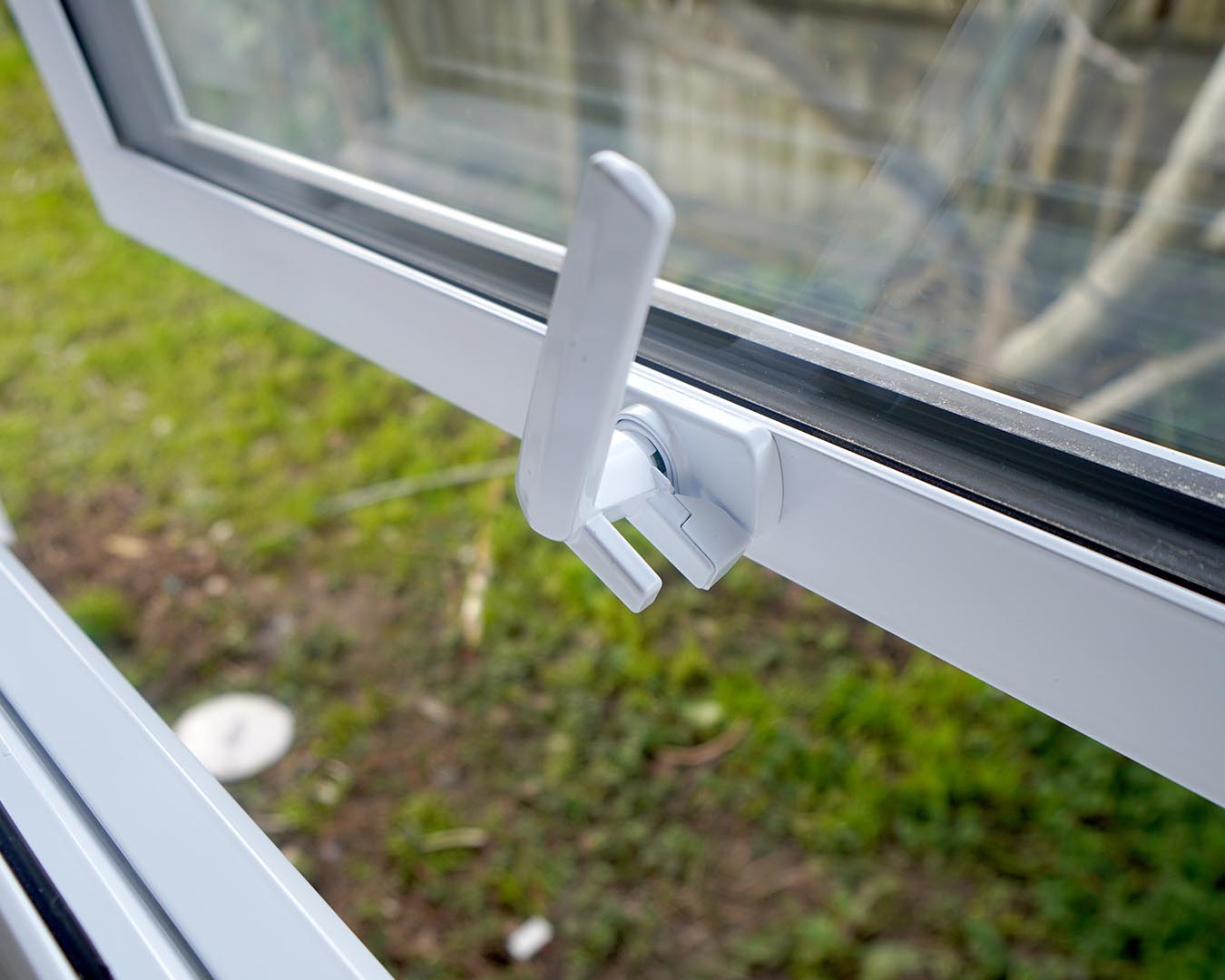
One window is broken or fogged. The frame is sound. The seals around the frame haven’t failed. You’re not planning a renovation that will involve those walls. The house is at least 5 years away from any other major work.
In this case, repair the one window. Get the glass replaced or the IGU swapped. Move on. Spending $500 on a one-off glass replacement is almost always better than spending $25,000 on a full house re-joinery because one IGU failed.
Retrofit Double Glazing Makes Sense When…
You have a character home with timber sashes you want to keep. The timber is in reasonable condition (some maintenance needed but not rotting). You want better thermal performance without the cosmetic and consent issues of aluminium replacement. You’re in a Special Character Area where replacement is restricted anyway.
This is the underused option in Auckland. A retrofit job on a 12-window villa runs $8,000–$15,000 — significantly cheaper than full replacement, doesn’t trigger consent issues, doesn’t damage cladding, and preserves the character look that makes the house worth what it’s worth.
Full Replacement Makes Sense When…
Three or more windows have failed seals or rotting frames. The aluminium joinery is 25+ years old and showing whole-house degradation. You’re doing a major renovation and the walls are open anyway. You’re changing window sizes or configurations. You need to address weathertightness issues that go beyond the glass.
The trigger to know: if you’re already calling tradies in for other work (kitchen, bathroom, recladding, extension), that’s when full window replacement starts making sense, because the marginal cost of doing the windows at the same time is dramatically lower than doing them as a standalone job.
The “You’re Already Opening the Wall” Trigger
Window replacement costs drop substantially when the rest of the house is already being worked on. If you’re recladding (which Auckland needs heaps of with the leaky homes legacy), if you’re doing a major addition or extension, or if you’re renovating a room and the gib is already coming off — that’s the moment to do the windows. Doing windows during an existing renovation brings the per-window cost down because the cladding, gib and painting work is already being done anyway, so you aren’t paying for those trades twice.
For renovation-scale window work, the better contact is often Superior Renovations, our parent renovation business, because the window job is folded into the broader renovation scope rather than priced as standalone.
For everything else (single-window replacement, fogged IGU swaps, retrofit double glazing, between-tenancy turnover work, pre-sale upgrades) that’s our lane. We coordinate the joiner, the builder, the painter and the gib stopper so you get one quote, one project manager, one accountable point of contact, and a finished job that looks right.
Auckland Window Replacement — What Most Homeowners Pay
Putting it all together: the realistic total cost ranges Auckland homeowners pay in 2026, by job scope.
| Job Scope | All-In Cost Range | Typical Auckland Example |
|---|---|---|
| Single fogged IGU swap | $300–$700 | Failed seal in a bedroom window |
| Single window replacement (insert) | $2,000–$3,500 | One aluminium bedroom window swapped |
| Single ranchslider replacement | $4,500–$8,000 | 3m sliding door replaced like-for-like |
| Full villa retrofit double glazing (12 windows) | $8,000–$15,000 | Mt Eden bungalow keeping original sashes |
| Full house insert windows (12–15 units) | $22,000–$32,000 | 2000s subdivision aluminium upgrade |
| Full house joinery replacement (12–18 units) | $25,000–$45,000 | Whole-house re-joinery with painting and gib work |
| Full house with thermally-broken aluminium or uPVC | $32,000–$55,000 | Premium thermal performance upgrade |
What It Costs to Double Glaze a Three-Bedroom House
Window counts and sizes vary too much between three-bedroom houses for one honest number, so here is the arithmetic instead. Measure each window (width times height) and add them up. As a worked example, take a house with 15 m² of glazing in total. At the rates in this guide, that comes to:
| Approach | Rate in this guide | 15 m² of glazing |
|---|---|---|
| Retrofit double glazing into existing frames | $400–$800 per m² | $6,000–$12,000 |
| New aluminium double-glazed joinery | $800–$1,500 per m² | $12,000–$22,500 |
| New uPVC double-glazed joinery | $900–$1,600 per m² | $13,500–$24,000 |
| New timber double-glazed joinery | $1,200–$2,200 per m² | $18,000–$33,000 |
The new-joinery rows cover the windows and their installation only. Add the gib, architrave, paint and cladding work from the hidden-costs section to get an all-in figure. You also don’t have to do the whole house at once. EECA’s advice is to start with the rooms you use most, or the ones that are hardest to keep warm, which gets you the biggest improvement for the money. Double glazing also works best alongside good insulation, so check the ceiling and underfloor first with our guide to the cost of insulating a house in Auckland.
These numbers reflect all-in costs: joinery, install, gib, paint, architrave, exterior repair, skip bins, the lot. Installer-only quotes will look 20–30% lower because they exclude the surrounding trade work. That’s not the installer being dishonest — it’s just outside their scope. It’s still inside your budget though.
➡ Request a free no-obligation quote from Superior Property Services
➡ Learn more about our property maintenance services in Auckland
➡ Make an enquiry — we respond within 1 working day
Window Replacement Cost NZ — Frequently Asked Questions
How much does it cost to replace one window in Auckland?
A single window replacement in Auckland typically runs $2,000–$3,500 for an insert-style aluminium window, $2,400–$3,500 for full joinery replacement, or $400–$700 for retrofit double glazing into an existing timber frame. Glass-only replacement (fogged IGU or broken pane) is much cheaper at $300–$1,200 per pane. The total cost depends on window size, material, and how much gib repair, architrave work and painting is needed around the new opening.
Is it cheaper to retrofit double glazing or replace windows entirely?
Retrofit double glazing is substantially cheaper — typically $400–$800 per square metre installed, compared to $2,400–$3,500 per unit for full joinery replacement. For a 12-window character home, retrofit comes in at $8,000–$15,000 versus $25,000–$45,000 for full replacement. The catch is that retrofit only works if the existing frame is in good condition. If the timber is rotting or the aluminium is warped, you need full replacement.
Do I need a building consent to replace windows in Auckland?
Often not. Clause 8 of Schedule 1 of the Building Act 2004 exempts building work in connection with a window or exterior doorway in an existing dwelling of up to two storeys. The exemption does not apply where the window being replaced has failed the Building Code's durability provisions, for example by letting water in, or where the work modifies or affects a specified system, and a dwelling of three or more storeys sits outside it. Exempt work must still comply with the Building Code. Separately, in a Special Character Areas Overlay an external alteration such as swapping timber sashes for aluminium is a restricted discretionary activity under the Auckland Unitary Plan, which means resource consent. Confirm a specific job with a licensed building practitioner or Auckland Council before work starts.
How long does window replacement take?
A single window replacement typically takes half a day to one full day on site. A full house re-joinery for 12–15 windows usually runs 5–10 working days for the install itself, plus another 3–7 days for the gib repair, painting and architrave work afterwards. Retrofit double glazing is faster — most retrofits do 3–5 windows per day. Plan for 2–4 weeks total project time on a full-house job once you factor in lead times for the joinery itself, which can be 4–8 weeks from order to delivery.
What's the difference between insert windows and full replacement windows?
An insert window slides a complete new window unit inside the existing opening — the surrounding cladding, gib and architrave stay untouched. Cost is lower ($2,000–$2,500/unit) and disruption is minimal, but you lose 25–40mm of glass area on each side. Full replacement removes the entire window and rebuilds the opening, including new flashings, gib, architrave and exterior cladding repair. Cost is higher ($2,400–$3,500/unit) but you get a clean install with no compromise on glass area, and you can change the window configuration if you want.
Can I replace just the glass instead of the whole window?
Yes, and for many Auckland homeowners this is the right answer. If the frame is sound and only the glass is damaged or the IGU has fogged (failed seal), glass-only replacement runs $150–$800 per pane for single glazing, or $300–$1,200 per unit for a sealed double-glazed unit. The job typically takes 1–2 hours per window. The only time glass-only doesn't work is when the frame itself is rotten, warped, or has failed seals around the perimeter, in which case you're replacing the joinery, not the glass.
Why are window replacement quotes so different from each other?
Because they're often pricing different scopes. A $18,000 quote and a $26,000 quote on the same job frequently aren't quoting the same work — one might be supply-and-install joinery only, while the other includes gib repair, architrave, internal painting, exterior cladding repair, and rubbish disposal. The hidden costs typically add 15–40% to the headline installer quote. The honest comparison is to ask each installer for a line-by-line scope showing what's included and what isn't.
Will new double-glazed windows reduce my power bill?
It reduces heat loss, though the bigger return is usually comfort. EECA says up to 40% of a home's heating energy can be lost through the windows and that double glazing can cut that to 25% or less, along with condensation on the glass. How much that saves depends on how you heat the house and how well the rest of it is insulated, and EECA notes double glazing works best combined with good insulation. Treat a full-house upgrade as a comfort and condensation decision first, and start with the rooms you use most if budget is tight.
Are uPVC windows worth the extra cost in Auckland?
If the house runs cold or suffers condensation, often yes. EECA notes that uPVC and timber frames lose less heat than aluminium and are less likely to attract condensation. In this guide's ranges uPVC costs $900–$1,600 per square metre installed against $800–$1,500 for standard aluminium, and thermally broken aluminium at $1,200–$1,800 closes much of the performance gap. The trade-offs are chunkier frame profiles, which mean slightly less glass, and lead times that can run longer, so get the delivery date in writing.
Can I claim insurance for a broken window?
Many NZ home policies cover accidental glass breakage and storm damage, but the cover and the excess vary by insurer, so read your own policy wording. Compare the excess with the repair cost before claiming: for a small single pane at $150–$400 the claim may not be worth making, while a large panel or a whole unit often is. Some policies treat glass separately from other claims, which changes the calculation. For storm or impact damage, photograph it and note when it happened. A fogged double-glazed unit is a failed seal rather than sudden damage, and many policies exclude gradual deterioration, so check before you lodge it.
What's the cheapest way to replace single-pane windows with double glazing?
Retrofit double glazing, at $400–$800 per square metre installed. The existing timber or aluminium frame stays in place, and only the single-pane glass is replaced with a sealed double-glazed insulated unit. Across a 12-window Auckland house, retrofit runs $8,000–$15,000 compared to $25,000–$45,000 for full joinery replacement. Retrofit only works if the existing frame is in good condition — rotten timber or warped aluminium needs full replacement. For most character home owners, retrofit is the right answer both on cost and because it keeps the original joinery, which matters if the house is in a Special Character Areas Overlay.
How do I choose between aluminium and timber for a character home?
Start with the planning position. If the house is in a Special Character Areas Overlay, the operative Auckland Unitary Plan treats restoration and repair as permitted but external alterations as restricted discretionary, so replacing timber sashes with aluminium is likely to need resource consent, while repairing the sashes or retrofitting double glazing into them generally does not. Plan Change 120 proposes changes to these rules and is still before the hearings panel, so check your property's current overlay with Auckland Council. Outside the overlay it is a design and budget call: timber suits a villa or bungalow in a way aluminium rarely does, at $1,200–$2,200 per square metre against $800–$1,500 for aluminium.
How much does a window repair cost in Auckland?
It depends on what has failed. Replacing a broken single pane runs about $150–$400 for a small window and $400–$800 for a large one, including labour and call-out. Replacing a fogged double-glazed unit is typically $300–$700, up to $1,200 for oversized units. Hardware such as stays, catches and rollers is quoted on inspection as labour plus parts. Second-storey access, safety or low-E glass, and made-to-measure units all push the price up. If water is getting in around the frame rather than through the glass, the repair is the frame and flashings, not the glass.
How much does it cost to replace wooden windows with aluminium in NZ?
Replacing a timber window with a new aluminium unit is a full joinery replacement, which runs about $2,400–$3,500 per standard window installed, with sliding doors at $4,500–$7,000. Because the old timber frame comes out, budget for exterior cladding repair at $400–$1,500 per window, plus gib, architrave and painting inside. Check two things before you commit: whether the old windows are being replaced because they leak, which can take the job outside the Building Act window exemption, and whether the property is in a Special Character Areas Overlay, where the change is likely to need resource consent.
References
- New Zealand Legislation — Building Act 2004, section 17 and Schedule 1 clauses 1 and 8
- Auckland Council — Auckland Unitary Plan, D18 Special Character Areas Overlay (Residential and Business)
- Auckland Council — Building and consents
- EECA — Window insulation