
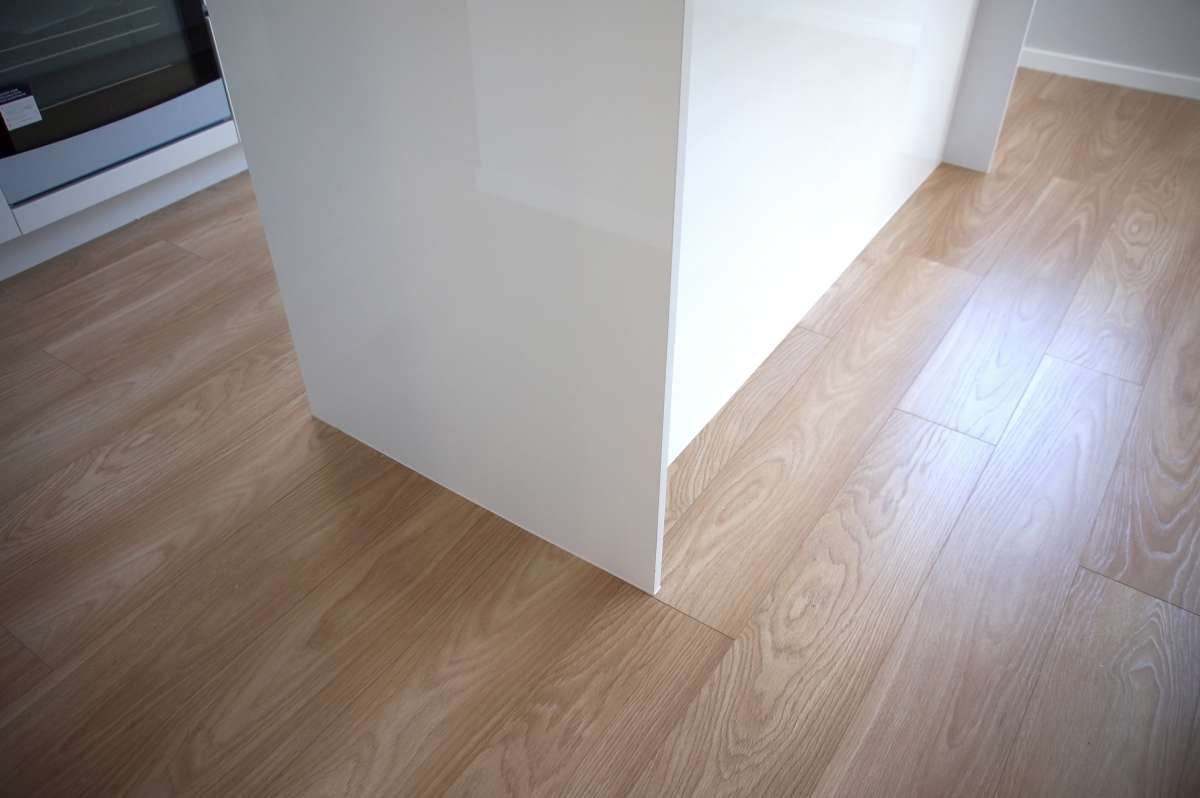
SPC Flooring: What It Is, Pros, Cons, and Best Uses for Your Home
SPC flooring is rapidly becoming a go-to option for New Zealand homeowners who want something tough, waterproof, and low-maintenance underfoot. Understanding what it actually is, how it performs, and where it works best in your home makes it much easier to decide if it is worth choosing over laminate, traditional vinyl, or tiles.
This guide walks through how SPC flooring is constructed, its main pros and cons, and how it compares with other popular flooring types. You will also find practical tips on installation, care, and how to choose the right thickness, wear layer, and style for New Zealand conditions and lifestyles.
Outcome: By the end of this guide, you will be able to confidently decide whether SPC flooring suits your home, select the right product for each room, and understand what is involved in installing and caring for it long term.
Prerequisites: Before you get too far, it helps to:
- Have a rough idea of your budget per square metre for new flooring.
- Know which rooms you are planning to update (including any wet areas).
- Understand whether you want DIY-friendly flooring or professional installation.
- Step 1 – Assess how your household really uses each room
Walk through your home and think about how each space is used day to day. Note where you have heavy foot traffic, pets, kids, or direct sun. Pay particular attention to kitchens, laundries, entryways, and bathrooms where water and dirt are common. This quick audit will help you see where a fully waterproof, scratch-resistant option like SPC flooring will deliver the most value, and where another flooring type may be more suitable. - Step 2 – Shortlist flooring types for each space
Based on your room-by-room assessment, list out which flooring options could work in each area: SPC flooring, laminate, traditional vinyl, carpet, tiles, or engineered timber. Cross off anything that obviously does not fit the conditions, such as standard laminate in a wet bathroom. Keep at least two options per room so you can compare cost, comfort, and appearance before making a final decision.If you’re in Auckland, it can help to shortlist not only product types but also where you’ll source them. Many homeowners start by ordering a few sample boards or visiting local flooring showrooms to compare colour, texture, and wear-layer options in person. - Step 3 – Match SPC flooring specifications to your needs
For the rooms where SPC flooring looks promising, start comparing product specifications. Focus on overall plank thickness, wear-layer thickness, acoustic underlay options, and slip resistance. Decide which rooms need a thicker, more robust board (for example, high-traffic living areas) and which could work with a lighter option. This is also the time to check compatibility with underfloor heating if you plan to use it.When you’re comparing specs, ask Auckland suppliers to confirm the warranty conditions (including moisture limits, subfloor flatness tolerances, and cleaning requirements). These details can vary between brands and can materially affect performance in real New Zealand homes. - Step 4 – Plan installation and subfloor preparation
Measure each room carefully, adding extra for cuts and wastage, and consider whether you will install the flooring yourself or use an installer. Check your existing subfloor (concrete, tiles, old vinyl, or particle board) for levelness and damage. Plan what prep work is needed, such as levelling compounds or removing old coverings. Good planning here prevents movement, squeaks, and gaps later on. - Step 5 – Set up a simple maintenance routine
Before your new floor goes down, decide how you will look after it. Choose appropriate cleaning products for rigid core vinyl, set up doormats at entrances, and add felt pads to furniture. Establish a routine of regular sweeping or vacuuming and occasional damp mopping. Having this sorted from day one keeps SPC flooring looking fresh and helps it last for many years.
What Is SPC Flooring and How Is It Different from Other Vinyl Floors?
SPC stands for Stone Plastic Composite or Stone Polymer Composite. SPC flooring is a type of rigid core vinyl plank that uses a dense core made from a mix of limestone powder and stabilisers, topped with a vinyl wear layer and decorative film.
Traditional vinyl flooring (like sheet vinyl or standard luxury vinyl planks) uses a flexible PVC core. By contrast, the rigid core in SPC flooring makes the planks dimensionally very stable and more resistant to dents and movement. This rigid structure helps the floor span minor subfloor imperfections better than many flexible vinyl products.
SPC flooring is also usually installed as a floating floor with a click-lock system, similar to laminate. This installation style differs from glued-down vinyl or sheet products and can make it faster to lay, especially in existing homes where you may be going over an old floor.
How SPC flooring behaves under everyday use
Day to day, SPC flooring feels firm underfoot, more like a laminate or engineered wood than a soft vinyl. The rigid core means it is less likely to show chair leg dents, pet claws, or high-heel marks compared with many traditional vinyl products.
Because the core is not foam-based, SPC flooring is generally better at handling changes in temperature than some other vinyl types, which matters in New Zealand homes that can swing from cool winter mornings to strong summer sun through ranch sliders.
How SPC Flooring Is Made: Layers, Core, and Construction Explained
SPC flooring is built in layers, each serving a specific role in performance and appearance. While exact constructions vary between brands, most quality products share a similar structure.
At the top, a clear UV-cured coating protects the floor from minor scratches and helps resist staining and fading. Below that sits the wear layer, a transparent vinyl layer that takes the brunt of everyday traffic and determines much of the floor’s durability. Next is the printed design film, which gives the plank its timber, stone, or tile look.
Inside the SPC rigid core
The heart of SPC flooring is the rigid core, typically a compressed blend of limestone (calcium carbonate), PVC, and stabilisers. This combination creates a dense, stable board that is dimensionally very consistent and inherently water-resistant.
Under the core, many products include a built-in underlay, such as IXPE or EVA foam. This underlay adds some sound absorption and comfort and can help smooth out very minor subfloor variations. The planks are engineered with precise tongue-and-groove or click-lock profiles so they can be installed as a floating floor without adhesive.

Key Benefits of SPC Flooring (Durability, Waterproofing, Pets, and More)
One of the biggest advantages of SPC flooring for New Zealand homes is its full waterproof construction. The stone-based core does not swell when exposed to moisture, so it can be used confidently in kitchens, laundries, entrances, and many other areas where spills or wet shoes are common.
The rigid core and hard-wearing top layers also make SPC flooring highly resistant to dents and surface damage. In busy Kiwi households with dogs, kids, or tenants, this can mean fewer visible marks compared with softer vinyl or timber floors. It is a practical choice for rental properties and high-traffic family spaces.
According to a 2026 Research and Markets analysis of the Stone Plastic Composite flooring market, the global SPC category is projected to reach USD 5.77 billion in 2025, which signals how widely this type of flooring is being adopted worldwide.
Comfort, acoustics, and underfloor heating
Although SPC flooring feels firmer than carpet, the integrated underlay used on many products softens impact noise and improves comfort. This can help with echo in open-plan living areas and multi-storey homes where footsteps can otherwise travel.
SPC flooring is typically suitable for use over many hydronic or electric underfloor heating systems, provided the product’s temperature and installation guidelines are followed. This combination can work well in cooler parts of New Zealand where warm floors are a real comfort in winter.

For landlords and homeowners who prefer a low-fuss solution, the durability and waterproof nature of SPC flooring reduce the risk of costly repairs from small leaks, pet accidents, or tenant wear and tear. This simplicity often outweighs the slightly firmer feel compared with some other options.
Once you have a sense of whether SPC suits your lifestyle, it can be helpful to talk with local trade professionals who work with different flooring types every day. In Auckland, property maintenance specialists with flooring experience can provide practical advice on where SPC works best and how it compares with alternatives in real Kiwi homes.
It’s also worth visiting a few Auckland flooring retailers to see SPC ranges side-by-side, compare wear layers, and ask about lead times and installation support. Well-known options in the Auckland market include Flooring Xtra (multiple Auckland locations) and Carpet Court (multiple Auckland locations), both of which commonly stock rigid-core vinyl/SPC lines alongside underlay and trims.
SPC Flooring vs WPC and Other Flooring Types: Which Is Right for You?
WPC (Wood Plastic Composite) and SPC are both rigid core vinyl products, but they behave differently. WPC uses a foamed, wood-plastic core that offers a slightly softer, warmer feel underfoot, while SPC’s stone-based core is denser and generally more resistant to indentation and temperature changes.
Compared with laminate flooring, SPC offers true waterproof performance and is more tolerant of moisture, while still giving a realistic timber or stone look. Against tiles, SPC flooring is typically warmer and quieter, with a quicker, less disruptive installation process. Carpet still wins for softness, but cannot match SPC’s durability in wet or messy areas.
Quick comparison: SPC vs WPC and more
The table below gives a high-level comparison between SPC, WPC, laminate, tiles, and carpet as they are commonly used in New Zealand homes.
| Feature | SPC Flooring | WPC | Laminate | Tiles | Carpet |
|---|---|---|---|---|---|
| Core material | Stone plastic composite (rigid) | Wood plastic composite (foamed) | HDF or MDF wood fibre board | Ceramic or porcelain | Textile over underlay |
| Waterproof performance | Fully waterproof plank | Highly water-resistant | Generally not waterproof | Fully waterproof surface | Poor; absorbs spills |
| Resistance to dents | Very good | Good | Moderate | Excellent | Not applicable |
| Comfort underfoot | Firm with some cushioning | Slightly softer than SPC | Firm | Hard and cold | Soft and warm |
| Noise | Quieter with built-in underlay | Quieter with underlay | Can be noisy without good underlay | Can echo in large rooms | Excellent sound absorption |
| DIY-friendliness | Good (click-lock floating) | Good (click-lock floating) | Good (click-lock floating) | Low (usually professional) | Moderate (often professional) |
| Best locations | Most rooms including many wet areas | Living areas, bedrooms, some kitchens | Dry areas such as lounges and bedrooms | Bathrooms, laundries, outdoor areas | Bedrooms and lounges |
If you want further context about how SPC sits within the wider resilient flooring category, the Stone Plastic Composite flooring market report by Research and Markets looks specifically at this product type within the global market.
For New Zealand-specific buying guidance, you can also use local supplier resources (for example, product guides, warranty PDFs, and care instructions) to sanity-check things like moisture requirements, acoustic ratings, and whether a particular SPC range is approved for bathrooms or commercial use.
SPC Flooring Installation, Maintenance, and Long-Term Care Tips
SPC flooring is usually installed as a floating floor, meaning the planks lock together but are not glued to the subfloor. This makes it well suited to many New Zealand renovations, where you may be going over old tiles, vinyl, or concrete, provided the base is sound and reasonably level.
Correct installation is essential to avoid problems like peaking, gaps, or noisy boards. While confident DIYers can install SPC in some situations, professional installation is often worth considering for large, open-plan spaces or tricky floor plans.
SPC flooring installation basics
Before installation, the subfloor should be clean, dry, and flat within the tolerances specified by the flooring manufacturer. High spots are typically sanded down, and low spots filled with a levelling compound. Skirting boards and trims may need to be removed or undercut to achieve a neat finish.
Installers usually work from one wall, staggering plank joints and maintaining the required expansion gaps around the room perimeter. In New Zealand’s changeable climate, it is important to follow the recommended expansion allowances so the floor can move slightly with temperature changes without buckling.

Cleaning and long-term care
Day-to-day care for SPC flooring is straightforward. Regular sweeping or vacuuming with a hard-floor setting removes dust and grit that can act like sandpaper. Occasional damp mopping with a pH-neutral cleaner keeps the surface fresh; harsh chemicals and steam mops are usually best avoided.
Door mats at entrances help keep outdoor dirt and sand from beaches or gardens off the floor. Felt pads under furniture, and lifting rather than dragging heavy items, further reduce the risk of scratches. With these simple habits, SPC flooring can stay looking good for many years, even in busy Kiwi homes.
If you prefer to have the prep work, installation, and finishing details handled for you, engaging a team that manages a range of property maintenance and flooring projects can save time and give you confidence that your new floor will perform as intended.
Many Auckland SPC suppliers can also recommend installers who are familiar with their specific click systems and warranty requirements. This is worth asking about, because some manufacturer warranties expect installation to follow a documented method (including correct underlay, moisture barrier, and expansion gaps).
How to Choose the Best SPC Flooring for Your Space (Thickness, Wear Layer, Style)
Not all SPC flooring is created equal, and the right product for a quiet bedroom might not be ideal for a busy family kitchen. When comparing options in New Zealand showrooms or online, focus on a few key specifications first, then refine by style and colour.
Overall plank thickness affects how solid the floor feels and how well it can bridge minor imperfections; thicker boards generally feel more robust. The wear layer thickness is equally important, as it plays a big role in scratch and wear resistance. Many residential spaces are well served by mid-range wear layers, while particularly hard-working areas may justify a thicker one.
Matching SPC flooring specifications to New Zealand rooms
For sun-exposed Auckland living rooms with large sliders, prioritise SPC flooring that specifies good dimensional stability and UV resistance, and consider lighter colours that help hide dust and sand. In downstairs entries or laundries, choose products with a suitable slip-resistance rating and a robust wear layer to cope with wet shoes and trolleys.
Bedrooms and studies may allow you a bit more freedom to focus on texture and appearance, such as embossed-in-register finishes that closely mimic real timber. If your home uses underfloor heating, always check the product’s maximum operating temperature and installation instructions to ensure the two are compatible.
When you are weighing up different options, it can be useful to have samples laid out in your own rooms, viewed in natural morning and afternoon light. Local teams who regularly install SPC flooring as part of wider renovation and maintenance work can also offer practical guidance on which products perform best; in Auckland, Superior Property Services, together with their sister company Superior Renovations, work across a wide range of flooring and interior upgrades.
For sourcing, Auckland homeowners commonly compare SPC ranges through established retailers and flooring specialists such as Flooring Xtra and Carpet Court, as well as independent flooring showrooms around Auckland that carry rigid-core vinyl lines. If you’re building or doing a larger renovation, some New Zealand-wide building supply stores also stock vinyl plank accessories (like trims and levelling products), which can simplify your overall materials list.
Frequently Asked Questions
Most reputable SPC products are low in volatile organic compounds (VOCs) and are often certified by third-party schemes such as FloorScore or similar. When comparing options, look for clear VOC certifications and ask suppliers for documentation to ensure the floor won’t contribute to indoor air pollution.
While every market is different, modern rigid-core vinyl like SPC is generally viewed as a contemporary, low-maintenance upgrade compared with tired carpet or ageing vinyl. Consistent, good-quality SPC throughout key living areas can help your home present better to buyers and reduce concerns about immediate flooring replacement costs.
SPC can be installed on stairs if the product is approved for this use and fitted with appropriate nosings or stair trims. Unlike floating installations on flat floors, stair treads are usually fully glued down for safety and stability, so you’ll want an installer experienced in stair work.
Use rugs with non-staining, non-rubber backing to avoid discolouration over time, and ensure any underlay is compatible with vinyl surfaces. In high-sun areas, move or rotate rugs occasionally to minimise visible colour variation between covered and uncovered sections.
Some SPC lines are rated for light commercial or full commercial use, offering thicker wear layers and tougher coatings. If you’re flooring a shop, office, or rental with heavy foot traffic, choose a product with an appropriate usage rating and confirm warranty coverage for commercial environments.
SPC is a synthetic product, but some manufacturers incorporate recycled content or operate take-back and recycling schemes for offcuts and end-of-life planks. When sustainability is a priority, ask suppliers about recycled content percentages, manufacturing certifications, and any local recycling options available in New Zealand.
Quality SPC products often come with separate residential and commercial warranties covering wear, structural integrity, and sometimes staining or fading. Common reasons for voided warranties include incorrect subfloor preparation, ignoring expansion requirements, using unapproved cleaning products, or installing in areas outside the manufacturer’s recommendations.
SPC flooring is widely available through Auckland flooring retailers and showrooms, as well as New Zealand-wide chains. Start by asking local suppliers for: product data sheets, warranty terms, recommended underlay (if not attached), and any restrictions for bathrooms or sun-exposed spaces. In Auckland, homeowners often compare ranges at Flooring Xtra and Carpet Court locations, then confirm installation requirements with a flooring installer or property maintenance provider. Is SPC flooring safe for indoor air quality and people with allergies or asthma?
How does SPC flooring impact the resale value of my home?
Can SPC flooring be used on stairs and landings?
What should I know about using area rugs and mats on SPC flooring?
How does SPC flooring perform in commercial or light commercial spaces?
Are there eco-friendly or recyclable options when it comes to SPC flooring?
What kind of warranty should I expect with SPC flooring, and what can void it?
Where can I buy SPC flooring in Auckland and New Zealand?
Bring SPC Flooring into Your New Zealand Home with Confidence
Choosing new flooring is a big decision, but understanding how SPC flooring is constructed, where it performs best, and how it compares to WPC, laminate, tiles, and carpet makes the choice far clearer. For many New Zealand homes, especially those juggling moisture, pets, and busy family life, SPC offers a practical balance of durability, waterproof performance, and attractive design.
If you are considering SPC flooring as part of a wider renovation, rental refresh, or maintenance project, working with an experienced local team can make the process much smoother. Superior Property Services in Auckland can help you assess your spaces, coordinate installation, and integrate new flooring with other property improvements so your home not only looks great but also stands up to everyday Kiwi living.